Roof leaks & water intrusion
We trace the leak to its real source — flashing, a penetration, a valley, or failed underlayment — and repair it there, then verify the ceiling stays dry.
Leaks, storm and hurricane damage, lifted tile and worn flashing — repaired right by a local, licensed craft roofer, with emergency stabilization when water is coming in and a clear written estimate before any work begins.
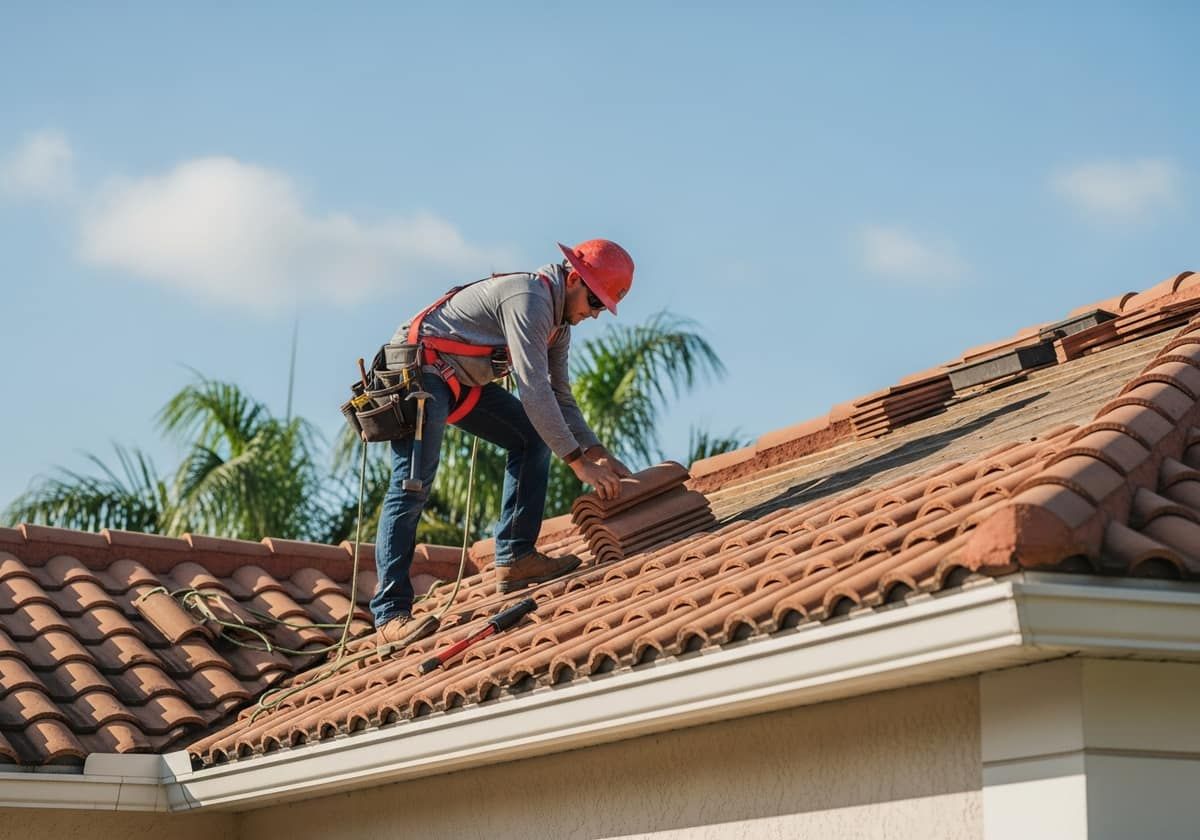
A roof leak is rarely where the stain is. Water finds the failed flashing, the cracked tile, or the nail that backed out of the deck, then travels along the underlayment before it ever shows on a ceiling. Good roof repair starts by finding that true entry point — not smearing sealant over the symptom — so the fix holds through the next storm instead of buying you a few dry weeks.
We are a local, licensed roofing contractor repairing every roof system common to Palm Beach County: clay and concrete barrel tile, standing-seam and other metal, architectural shingle, flat and low-slope membrane, and soldered copper. Because we run our own sheet-metal shop, we fabricate matching flashings, tile closures, and copper details in-house — so a repair blends in and meets code, and on the island it satisfies the in-kind standard the Town requires. This page walks through what we repair, how the work actually goes, and where roofs in this county tend to fail.
Drag the handle. A storm-hit roof — lifted tile, opened flashing, a leak working into the deck — becomes a watertight, re-fastened roof you stop thinking about. That is the job a real repair does, top to bottom.
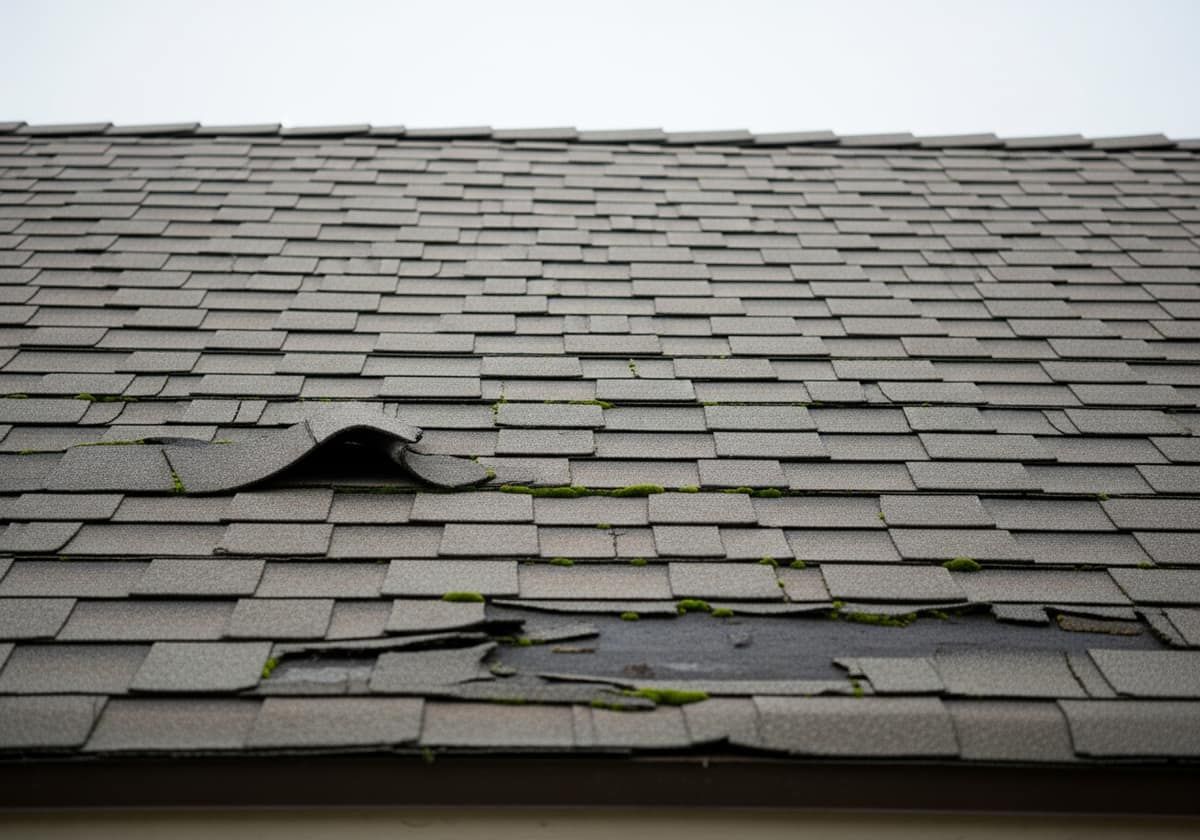
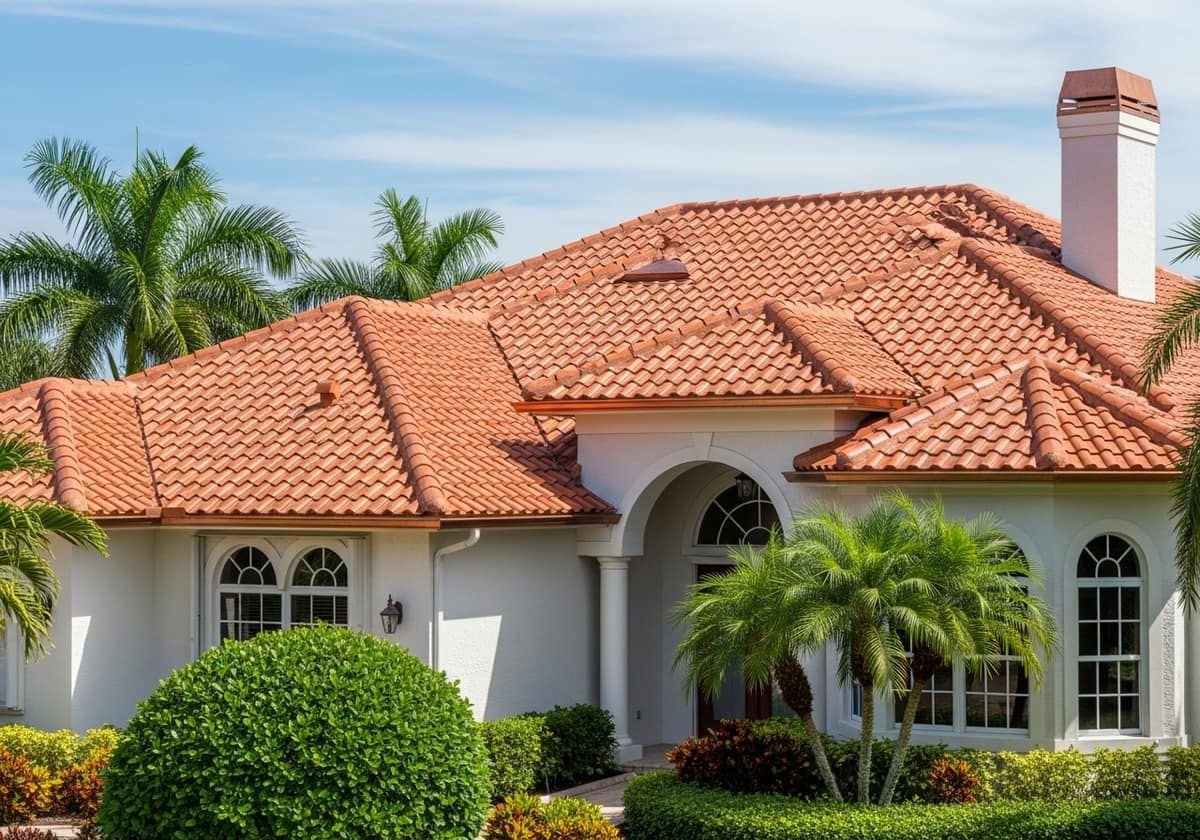
From a single suspicious drip to widespread storm damage, these are the failures we are called out for across Palm Beach County.
We trace the leak to its real source — flashing, a penetration, a valley, or failed underlayment — and repair it there, then verify the ceiling stays dry.
Wind-lifted and missing tile or shingle, blown-off ridge, and debris strikes — re-bedded, re-fastened, and documented for your insurance claim.
Broken, cracked, or slipped clay and concrete tile replaced and re-secured with matching tile so the field stays watertight and uniform.
Chimneys, skylights, vents, and wall transitions are where most leaks begin. We rebuild the flashing in matching metal or copper, fabricated in our shop.
Loose seams, failed fasteners, and corroded panels on metal and copper roofs — resealed, re-soldered, or replaced panel by panel.
When water is actively coming in, we stabilize first — a proper tarp or temporary dry-in to stop the damage — then return for the permanent repair.
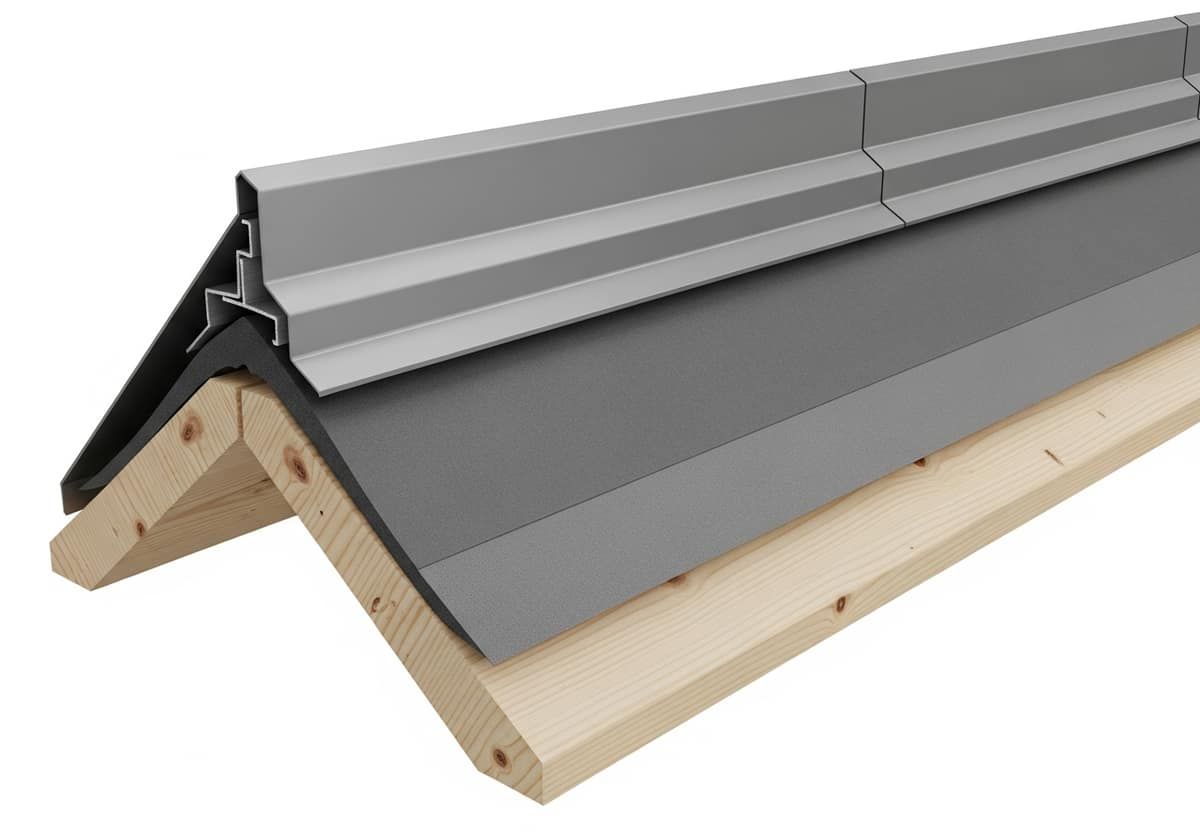
Two roofs the same age can perform completely differently — it comes down to the details below the surface. These are the spots we check first and where most repairs are won or lost.
From the first inspection to your insurance paperwork, here is the path a Palm Beach County repair actually follows.
A local roofer gets on the roof, finds the true source of the problem — not just the stain — and checks the surrounding flashing, fasteners, and underlayment for anything about to fail next.
If water is actively coming in, we tarp or temporarily dry-in the roof the same visit when we can, so the damage stops while the permanent repair is scheduled and materials are sourced.
You get a plain, itemized estimate — what failed, what we will do, and what it costs — plus an honest note if a full replacement would be the better spend than repeat patches.
We pull the permit when the scope calls for one, and on the Town of Palm Beach island we carry repairs through ARCOM or Landmarks review so the work matches in-kind and stays compliant.
We make the fix with matching materials — tile, metal, copper, or membrane — rebuild flashing in our own shop where needed, and re-fasten to Florida high-wind code, leaving the area watertight and uniform.
We confirm the ceiling stays dry and hand you photos and a written scope of the damage and repair — the documentation your adjuster needs if storm damage is going through a claim.
Roof leaking or storm-hit? Get a real number and a fast response.
Get a Free EstimateWhatever is over your head now, there is a right way to repair it — matched to the existing roof, not patched over it.
Clay and concrete barrel tile re-bedded, re-pointed, and replaced with matching tile — the Florida classic, kept watertight and uniform.
Resealed seams, replaced fasteners, and panel-by-panel repair on standing-seam and metal roofs.
Wind-lifted, cracked, and missing architectural shingles replaced and re-sealed, with the deck and underlayment checked underneath.
Re-soldered seams and rebuilt copper details — the island estate standard, fabricated to match in our shop.
Membrane patches, re-flashed penetrations, and ponding fixes on flat and low-slope roofs over additions and porches.
Chimney, wall, and valley flashing rebuilt in matching metal or copper — the detail where most leaks actually start.
Pricing depends on the system, the size of the failure, and what we find once the area is opened up, so we quote on-site rather than over the phone. If the inspection shows the roof is failing widely, we will tell you when a roof replacement is the better investment than another round of repairs.
A good repair saves you a re-roof you do not need yet — but repeat patches on a worn-out roof are the most expensive way to put off the inevitable. Here is how we draw the line, and how storm damage and the island change it.
The right repair is the one you forget you paid for — no bucket under the leak, no creeping stain, no scramble before the next storm. Just a sound roof over a calm, dry home.
Leaks, storm damage, and failed flashing — repaired across every community we serve.
A local team member follows up to answer your questions and walk you through your options, pricing, and any financing. No pressure, no call center.