Storm protection that stays put
Concealed-clip panels carry wind-uplift ratings up to roughly 160–180 mph, with no exposed fasteners to loosen over time. The roof is engineered to stay on when the next storm tracks through.
Standing-seam, aluminum, Galvalume, and copper roofs — engineered for hurricanes, immune to salt air, and built to outlast asphalt several times over. Installed and fabricated by a local crew, fully permitted to Florida code.
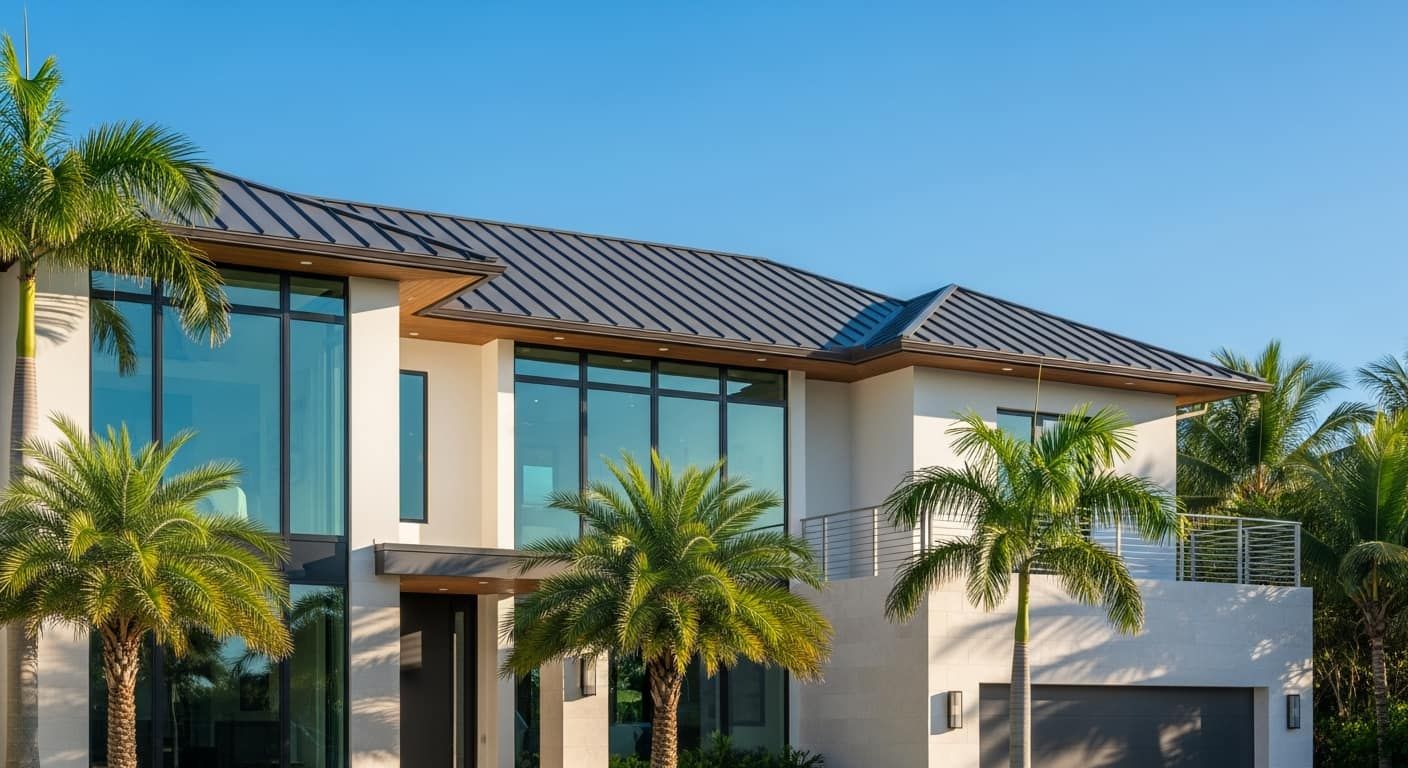
Metal roofing is the upgrade that answers the two things that age a roof fastest in Palm Beach County: hurricanes and salt air. A metal roof pairs interlocking panels with a sealed secondary water barrier, so the assembly resists wind uplift, sheds wind-driven rain, and keeps performing decade after decade while an asphalt roof is already on its second or third replacement. Done right, it is the last roof many homes ever need.
We are a local, licensed roofing contractor, and we both install and fabricate metal — which matters, because a metal roof is won or lost in the details: the right alloy and coating for your distance from the ocean, panels carried to a valid Florida Product Approval (FL#) with the correct wind-uplift rating, and flashing soldered or seamed so water never finds an edge. This page walks through the metals we use, the panel profiles, how metal stacks up against tile and shingle, and what it costs here.
Drag the handle. The same roof that was curling, streaking, and shedding granules under the Florida sun becomes a clean standing-seam metal roof rated to ride out the next storm — and the next thirty after it.
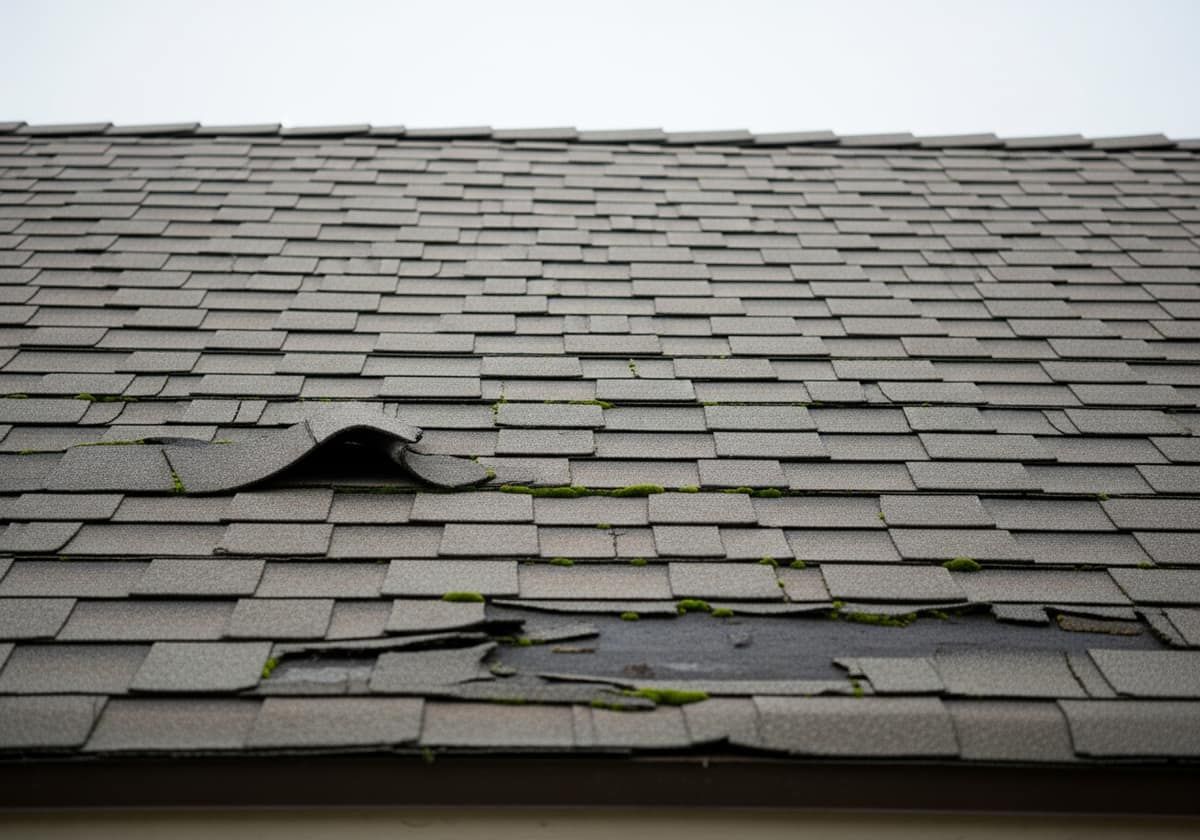
Storm strength is the headline, but it is rarely the only reason homeowners are glad they went to metal.
Concealed-clip panels carry wind-uplift ratings up to roughly 160–180 mph, with no exposed fasteners to loosen over time. The roof is engineered to stay on when the next storm tracks through.
Aluminum and Galvalume routinely outlast three or four shingle roofs, and copper can pass a hundred years — so the cost-per-year is often lower than it first looks.
Reflective “cool roof” finishes bounce solar heat instead of absorbing it like dark asphalt, so the attic runs cooler and the AC works less through a long Florida summer.
Near the ocean, aluminum and copper simply do not rust, and coated steel with stainless fasteners holds up where bare metal would corrode — the right spec for a coastal roof.
A new, code-compliant metal roof can earn a meaningful wind-mitigation credit and makes a coastal home easier to insure. We hand you the documentation an inspection needs.
Clean standing-seam lines or a stamped metal-tile profile lift a home’s value and keep the look an HOA — or the island review boards — expect to see.
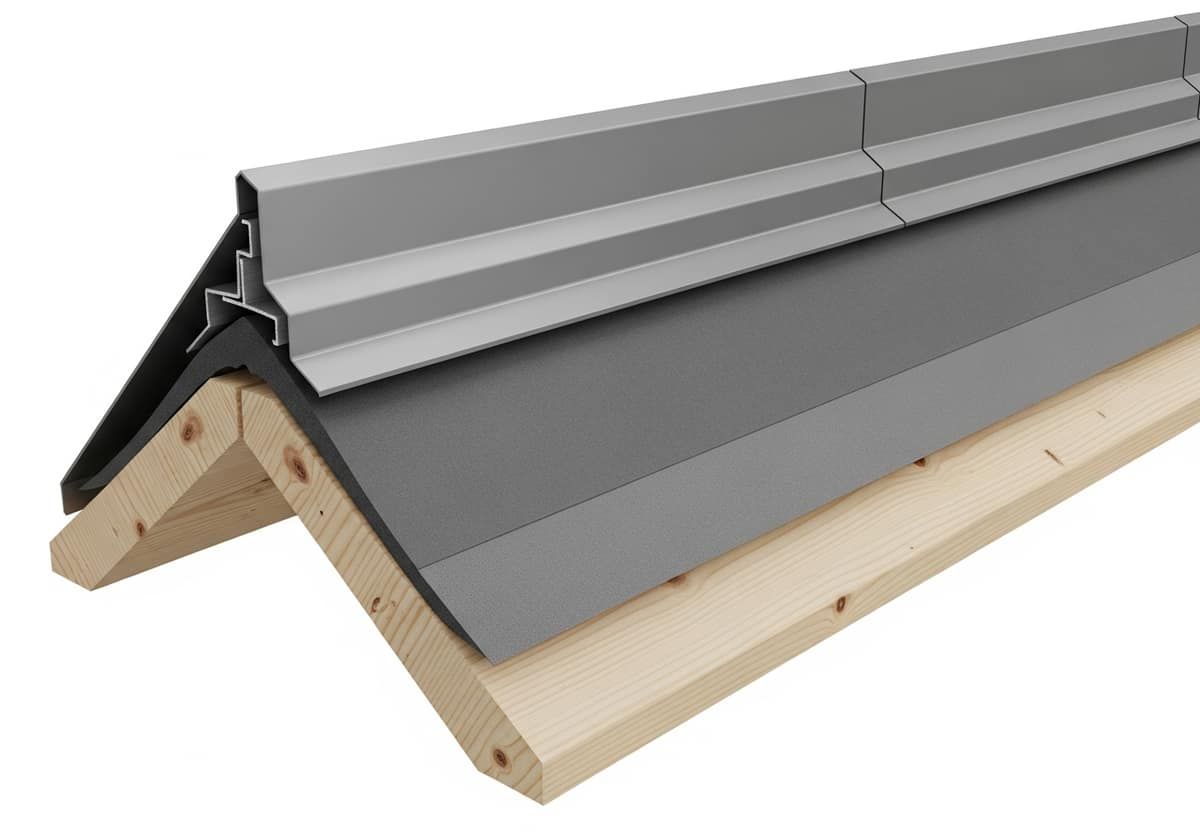
Two metal roofs can look identical from the street and perform completely differently. These are the layers that decide whether yours holds, and stays dry, for decades.
“Metal roof” covers a range of metals and panel profiles. We match the metal to your distance from the ocean and the profile to your home’s architecture — and what the review boards will approve.
The concealed-fastener flagship — clean vertical lines and no face screws. Our most-recommended profile. See the deep dive.
Value-engineered panels for outbuildings, agricultural, and budget-driven roofs — proven, economical, and quick to install.
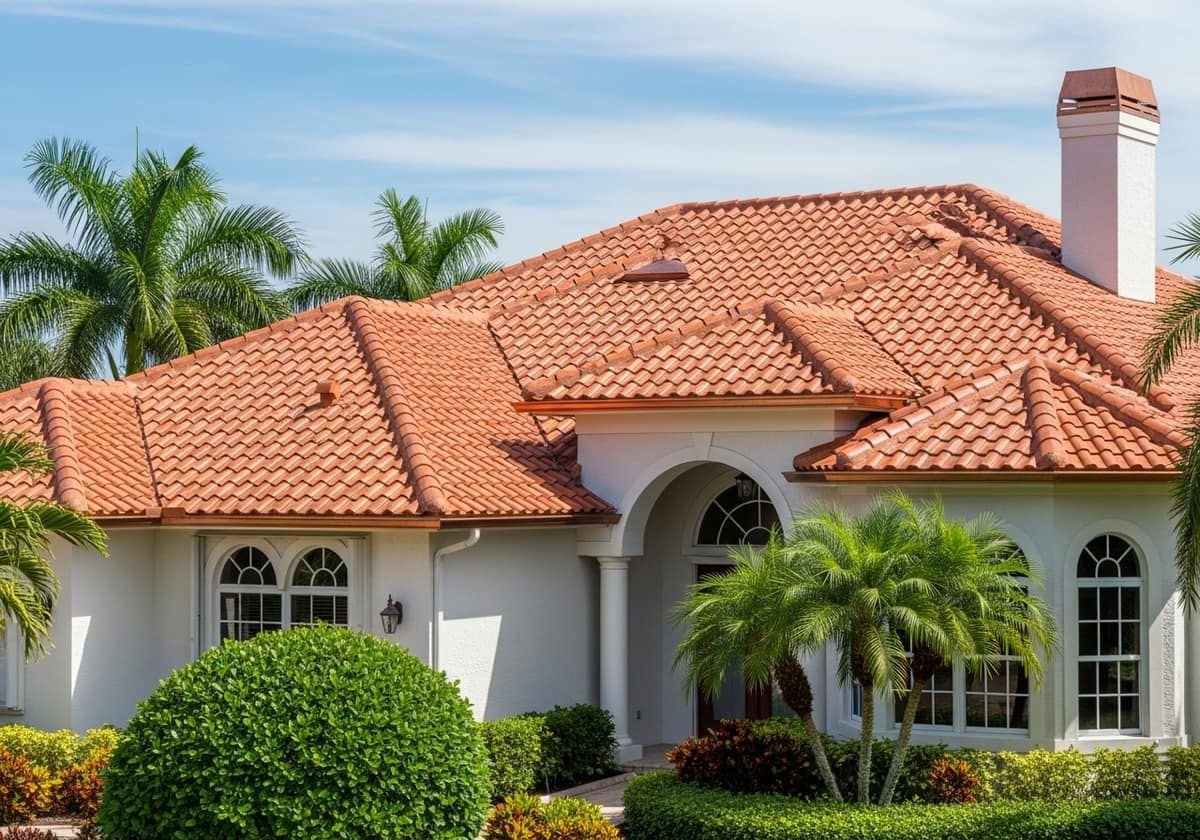
Stamped panels that mimic slate, shake, or barrel tile — the look of a heavy roof at a fraction of the weight, often HOA- and board-friendly.
The coastal default — light, rust-proof, and ideal for oceanfront homes where salt air punishes lesser metals.
Aluminum-zinc-coated steel with a baked Kynar finish — strong, economical, and color-stable across a wide palette.
Architectural metals that develop a living patina and last generations — the island standard. Explore copper roofing.
Frames, panels, coping, and flashing are fabricated in our own shop, so we can match a profile or detail an off-the-shelf system can’t — more on the roof & metal fabrication page. Pricing depends on the metal, profile, pitch, and detail work, so we quote on-site rather than over the phone.
Ready for a real number and a real timeline on a metal roof for your home?
Get a Free EstimateEvery roof is a trade-off of lifespan, strength, weight, and budget. Here is how the three materials we’re most often asked about line up for a Palm Beach County home.
| Standing-seam metal | Clay / concrete tile | Asphalt shingle | |
|---|---|---|---|
| Typical lifespan | 40–70 yrs (copper 100+) | 50+ yrs | 15–20 yrs in FL sun |
| Wind-uplift rating | Up to ~160–180 mph | High (heavy, well-anchored) | Up to ~110–130 mph |
| Weight on structure | Light (~1–1.5 lb/sq ft) | Heavy (may need re-decking) | Light |
| Salt air / coastal | Excellent (aluminum, copper) | Good | Granule loss accelerates |
| Energy / heat | Reflective “cool roof” finishes | Thermal mass, ventilated | Absorbs heat |
| Maintenance | Very low | Low (slips / repointing) | Periodic, shorter cycle |
| Relative up-front cost | $$–$$$ | $$$ | $ |
| Island (ARCOM / Landmarks) | Copper & zinc favored | Required in-kind on estates | Routinely denied on historic estates |
On the Town of Palm Beach, material choice isn’t only about performance — ARCOM and Landmarks review steer historic estates toward in-kind clay tile, slate, and copper. We design to what the board will approve. See the island roofing guide.
Palm Beach County is the Wind-Borne Debris Region — not the High-Velocity Hurricane Zone, which is Miami-Dade and Broward only. A metal roof here must carry a valid approval and be installed exactly as that approval was tested. Here is what the documents and the spec actually mean.
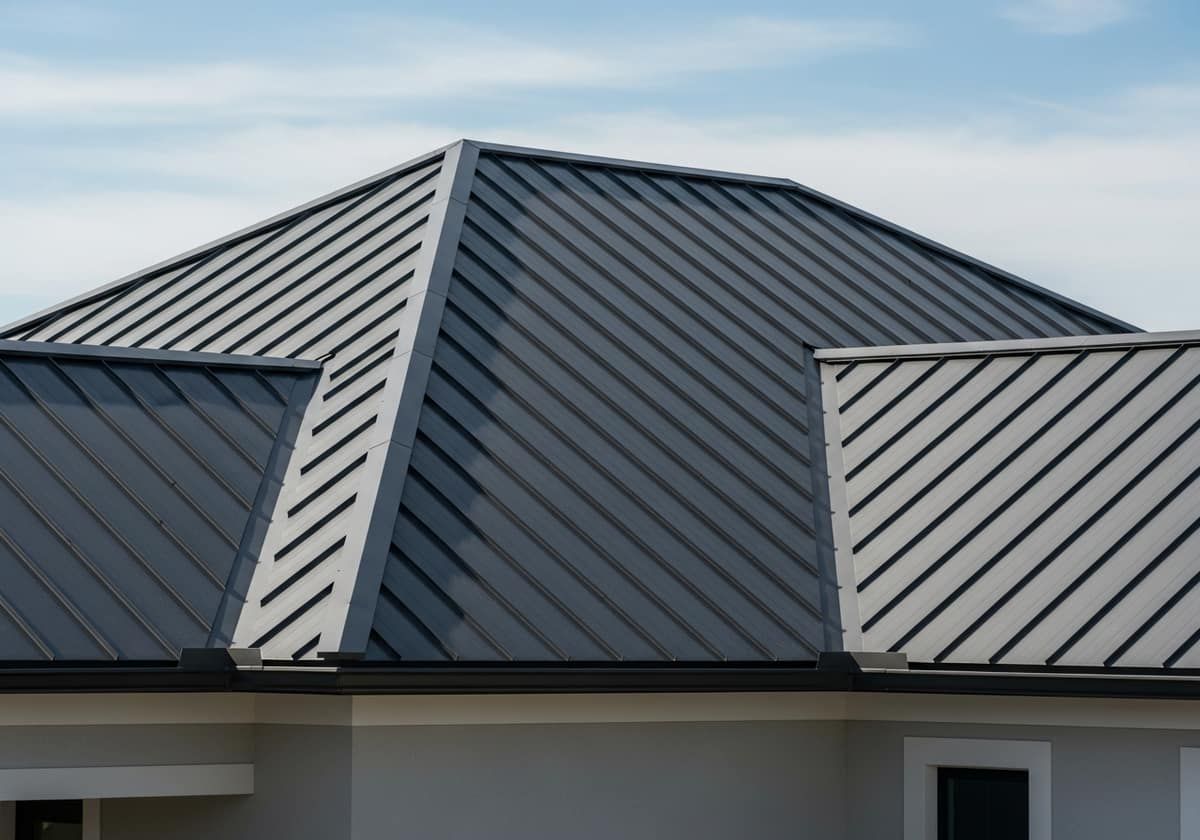
Once the metal is on, hurricane season stops being a worry and the years stop being a countdown to the next re-roof. Just a cooler, quieter, better-looking home that happens to be ready for anything the Atlantic sends.
A local team member follows up to answer your questions and walk you through your options, pricing, and any financing. No pressure, no call center.